Solitaire Engagement Rings: The Definitive Guide to Prongs, Profile & Band Width

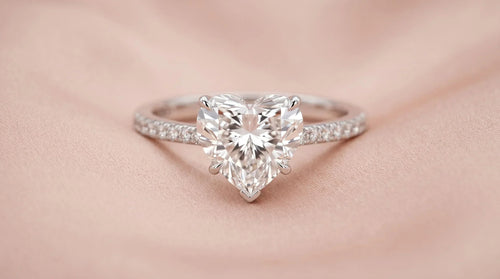
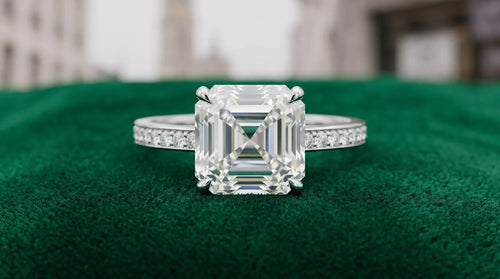
A solitaire engagement ring is the purest expression of a diamond. Stripped of halos, side stones, and intricate pavé, the solitaire relies entirely on architectural perfection. When there is nothing to distract the eye, every millimeter of the setting matters.
At Zizov Diamonds, the solitaire remains our most requested style. However, buying a solitaire in 2026 is no longer just about picking a band and a diamond. Today’s buyers are hyper-focused on the micro-details: the security of the prongs, the height of the profile, and the exact millimeter width of the metal. This guide breaks down the anatomy of the perfect solitaire.
00. The Solitaire Philosophy
The beauty of a solitaire lies in its simplicity, but creating "simple" requires immense technical skill. The setting must securely hold the diamond while exposing as much of it to light as possible. Because the center stone is the absolute star of the show, a solitaire setting is highly recommended when you are investing heavily in a premium Cut and Clarity grade.
Explore our classic Natural Diamond Solitaire Rings to see these architectural principles in practice.
The Zizov View
A solitaire hides nothing. If your center stone has a visible inclusion or a poor cut, this setting will put it on display. Always prioritize the cut quality of the diamond when choosing a solitaire ring.
01. Prongs: 4 vs. 6 and Claw vs. Round
Security & Aesthetics
The prongs are the tiny metal claws that grip your diamond. The number and shape of the prongs completely alter the look of the ring.
4-Prong Settings
A 4-prong setting uses less metal, allowing more light to enter the diamond from the sides. It tends to make a round diamond look slightly more square or "cushion-like." It offers a sleek, modern aesthetic but leaves the sides of the diamond more exposed.
6-Prong Settings
A 6-prong setting is the ultimate classic (often associated with the traditional Tiffany style). It enhances the roundness of the diamond and provides superior security. If one prong is accidentally bent, the diamond is far less likely to fall out than in a 4-prong setting.
Claw vs. Round Prongs
Round prongs look like tiny beads resting on the diamond. Claw prongs (often called talon prongs) taper to a sharp, elegant point. Claw prongs are currently the standard for luxury bespoke rings as they blend seamlessly into the facets of the diamond.

02. The Profile: High vs. Low Settings
The profile refers to how high the diamond sits off your finger.
High Profile (Cathedral Settings): A high profile pushes the diamond up, making it look larger and more prominent. It also allows a wedding band to sit perfectly flush against the engagement ring. However, high profiles are more prone to snagging on clothing or being knocked during daily activities.
Low Profile (Basket Settings): A low-profile setting keeps the diamond resting close to the finger. It is incredibly comfortable and practical for active lifestyles or those who work with their hands. The trade-off is that many low-profile rings will not allow a straight wedding band to sit flush without a gap.
03. Band Width: Delicate vs. Substantial
In recent years, the trend has heavily favored ultra-thin, delicate bands (1.5mm to 1.8mm). While a thin band makes the center stone pop and creates a dainty look, it sacrifices durability. A band thinner than 1.8mm is prone to warping, bending, or losing its shape over time.
For a ring meant to last a lifetime, we recommend a band width of 1.8mm to 2.2mm. This provides the perfect balance of a delicate appearance from the top down, while retaining enough structural integrity to handle decades of daily wear.
04. Pros & Cons (Customer Insights)
Based on our consultations in Antwerp, here is the objective feedback on choosing a solitaire:
- Timelessness: It is the most classic and enduring engagement ring style.
- Maximum Focus: It allows a high-quality center diamond to truly shine without distraction.
- Easy Maintenance: With no small pavé stones to clean or worry about losing, solitaires are the easiest rings to maintain.
- Prong Reliance: The security of the entire ring rests solely on a few prongs, requiring yearly check-ups.
- Diamond Pressure: Because there are no side stones to add visual volume, buyers often feel pressure to upgrade the carat weight of the center stone.
The solitaire is a masterclass in restraint. It is proof that when a diamond is cut to perfection, it needs nothing else to be beautiful.
05. Center Stone Choices
Because the solitaire places such high demand on the center diamond's size and quality, Lab-Grown Solitaire Rings have surged in popularity for 2026. Buyers can allocate their budget toward a 2.00ct+ Ideal-cut lab-grown diamond, achieving immense visual impact. For those who prioritize geological rarity, our Natural Diamond Solitaire Rings offer unparalleled traditional legacy.

06. Summary Table
| Feature | What to Know | Zizov Advice |
|---|---|---|
| Prongs | 4-prong is sleek; 6-prong is secure and round. | Choose 6-prong for round stones above 1.50ct for maximum security. |
| Prong Style | Claw prongs blend in; round prongs stand out. | Request claw (talon) prongs for a modern, high-end finish. |
| Profile Height | High sits flush with bands; low is practical. | If you work with your hands, opt for a low profile to prevent snagging. |
| Band Width | Ultra-thin bands warp easily over time. | Stay between 1.8mm and 2.2mm for lifelong durability. |
07. Expert FAQ
Will a wedding band sit flush against a solitaire engagement ring?
It depends on the profile. A high-profile or "cathedral" setting usually allows a straight band to sit flush. A low-profile basket setting will often leave a gap, requiring a curved or contoured wedding band.
Are 4 prongs safe enough for an engagement ring?
Yes, 4 prongs are very secure if crafted correctly and inspected yearly. However, if one prong breaks, the diamond can fall out. With 6 prongs, the diamond will usually stay secure even if one prong fails.
Can I have a band thinner than 1.5mm?
While it is possible to cast a band thinner than 1.5mm, we strongly advise against it for everyday wear. The metal is too thin to retain its structural integrity and will likely bend, warp, or crack over time.
Design Your Perfect Solitaire
Finding the perfect balance of prongs, profile, and band width is easier in person. Book a consultation at our Antwerp showroom to try on different solitaire architectures, or start a bespoke journey to design a ring tailored to your exact specifications.
Book Your ConsultationZizov Diamonds Antwerp
Excellence in every facet.