Vintage-Inspired Engagement Rings: Milgrain, Filigree, and Art Deco Details

For many buyers, an engagement ring should feel like a piece of history. However, purchasing an authentic antique ring comes with significant risks: worn prongs, chipped diamonds, and fragile metal bands that cannot withstand modern, active lifestyles.
At Zizov Diamonds, the solution is the vintage-inspired engagement ring. By combining the romantic design language of the Victorian, Edwardian, and Art Deco eras with cutting-edge 2026 manufacturing techniques, we create rings that look centuries old but offer maximum durability. This guide decodes the intricate details that give these rings their antique soul.
00. The Appeal of Antique Styles
Vintage-inspired rings stand in stark contrast to the minimalist solitaire trend. They are ornate, detailed, and highly textured. Rather than simply acting as a holder for a center diamond, the metalwork itself becomes a primary focus of the design. Achieving this look requires specific jewelry techniques that have been passed down for generations.
The Zizov View
True vintage style cannot be rushed. Crafting delicate filigree and hand-applied milgrain requires a master jeweler. When comparing vintage-inspired rings, look closely at the finishing details—they should look intentional and sharp, never blurry or cast poorly.
01. Milgrain: The Beaded Edge
Texture & Framing
Milgrain (meaning "a thousand grains" in French) is perhaps the most iconic vintage detail. It is a jewelry technique where tiny, raised beads of metal are applied along the edges of a ring, halo, or bezel setting.
Historically, jewelers used a specialized knurling tool to roll these tiny beads into the metal by hand. Today, milgrain serves two purposes: it creates a beautiful, sparkling texture that mimics the look of tiny diamonds, and it frames the design, giving the ring a finished, tailored appearance characteristic of the Edwardian and Art Deco periods.

02. Filigree: The Metal Lace
Filigree is the art of twisting fine metal threads into delicate, lace-like patterns. This technique was highly popularized during the Edwardian era (early 1900s) when advances in platinum working allowed jewelers to create incredibly fine, openwork designs that resembled lace or vines.
In a modern vintage-inspired ring, filigree is often found in the "gallery" (the side profile beneath the center stone) or extending down the shoulders of the band. It gives a ring a highly romantic, antique feel and makes a substantial ring feel visually light and airy.
03. The Art Deco Aesthetic
If filigree is about romantic lace, Art Deco is about bold, architectural geometry. Peaking in the 1920s and 1930s, the Art Deco style rejected floral curves in favor of sharp lines, symmetry, and architectural forms.
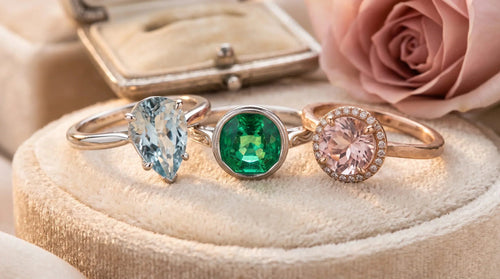
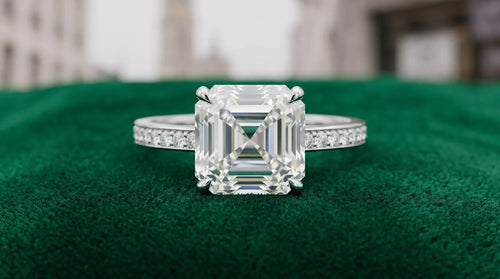
Art Deco-inspired rings frequently feature step-cut center stones (like Cushion, Emerald, or Asscher cuts), bold diamond halos in geometric shapes (hexagons, octagons), and the use of contrasting colored gemstones like sapphires or emeralds to create a dramatic, striking contrast.
04. Pros & Cons (Customer Insights)
Based on our experience crafting bespoke pieces in Antwerp, here is what buyers should know about choosing a vintage-inspired design:
- Unique Character: The intricate details ensure your ring stands out from modern, mass-produced styles.
- Finger Coverage: Vintage halos and filigree designs offer excellent finger coverage, making the center stone look larger.
- Durability: You get the antique aesthetic without the structural weakness of a genuine 100-year-old ring.
- Cleaning: The openwork filigree and textured milgrain edges require more frequent cleaning, as lotions and dirt can get trapped in the details.
- Resizing Limits: Rings with extensive filigree or engraving all the way around the band can be very difficult to resize later.
A vintage-inspired ring is a modern tribute to the past. It offers the romance of a bygone era, secured by the precision of today.

05. Summary Table
| Design Element | Visual Effect | Best Paired With |
|---|---|---|
| Milgrain | Creates a textured, beaded border. | Bezel settings and geometric halos. |
| Filigree | Adds romantic, lace-like openwork. | Cathedral settings and high profiles. |
| Art Deco Geometry | Bold, architectural, and symmetrical. | Step-cut diamonds (Emerald, Asscher). |
| Colored Accents | Provides striking visual contrast. | Sapphire or emerald side stones. |
06. Expert FAQ
Is it better to buy a real antique ring or a vintage-inspired one?
For daily wear, a vintage-inspired ring is highly recommended. Real antique rings often have heavily worn prongs, brittle metal, and diamonds with large chips or abrasions, making them risky for everyday engagement rings.
Will milgrain wear off over time?
Yes, over decades of hard daily wear, the tiny metal beads of milgrain can slowly smooth out. However, a skilled jeweler can easily re-apply or touch up milgrain detailing to restore its original sparkle.
What diamond shape is best for a vintage ring?
Cushion cuts, Asscher cuts, and Emerald cuts are incredibly authentic to the Art Deco and Edwardian periods. However, Round Brilliant diamonds also work beautifully when set inside geometric or floral halos.
Craft Your Timeless Heirloom
The intricate beauty of milgrain and filigree must be seen to be fully appreciated. Book a consultation at our Antwerp showroom to explore our vintage-inspired collections, or begin a bespoke journey to design a ring that echoes the romance of the past.
Book Your ConsultationZizov Diamonds Antwerp
Excellence in every facet.